Latest posts
-
Crypto Marketing in Restricted Times: Between Visibility and Trust

Platform rules, national regulation and audience psychology have made digital asset visibility harder to buy, placing more weight on credibility, education and disciplined communication.
-
The Global Rebuild of Financial Architecture
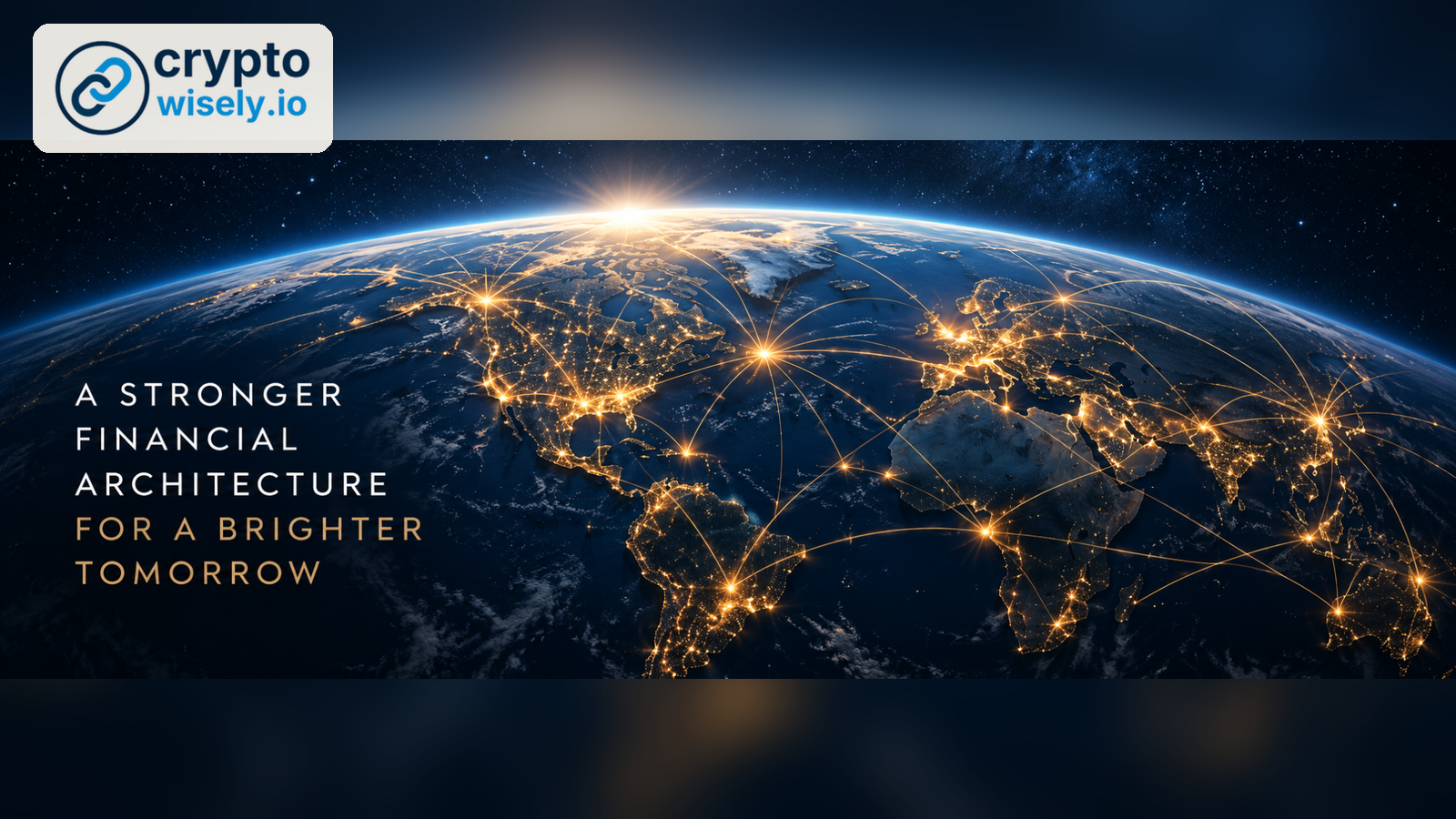
Banking permissions, capital rules, stablecoin settlement, tokenization, AI payments and financial crime controls are moving at the same time, reshaping how the next institutional market stack will operate.
-
Consulting Frameworks: Why They Matter More Than We Think

Good consulting is less about supplying answers and more about creating the structure that allows teams to see the real problem, align decisions and execute with less rework.
-
Custody Is Becoming an Operating Model Question
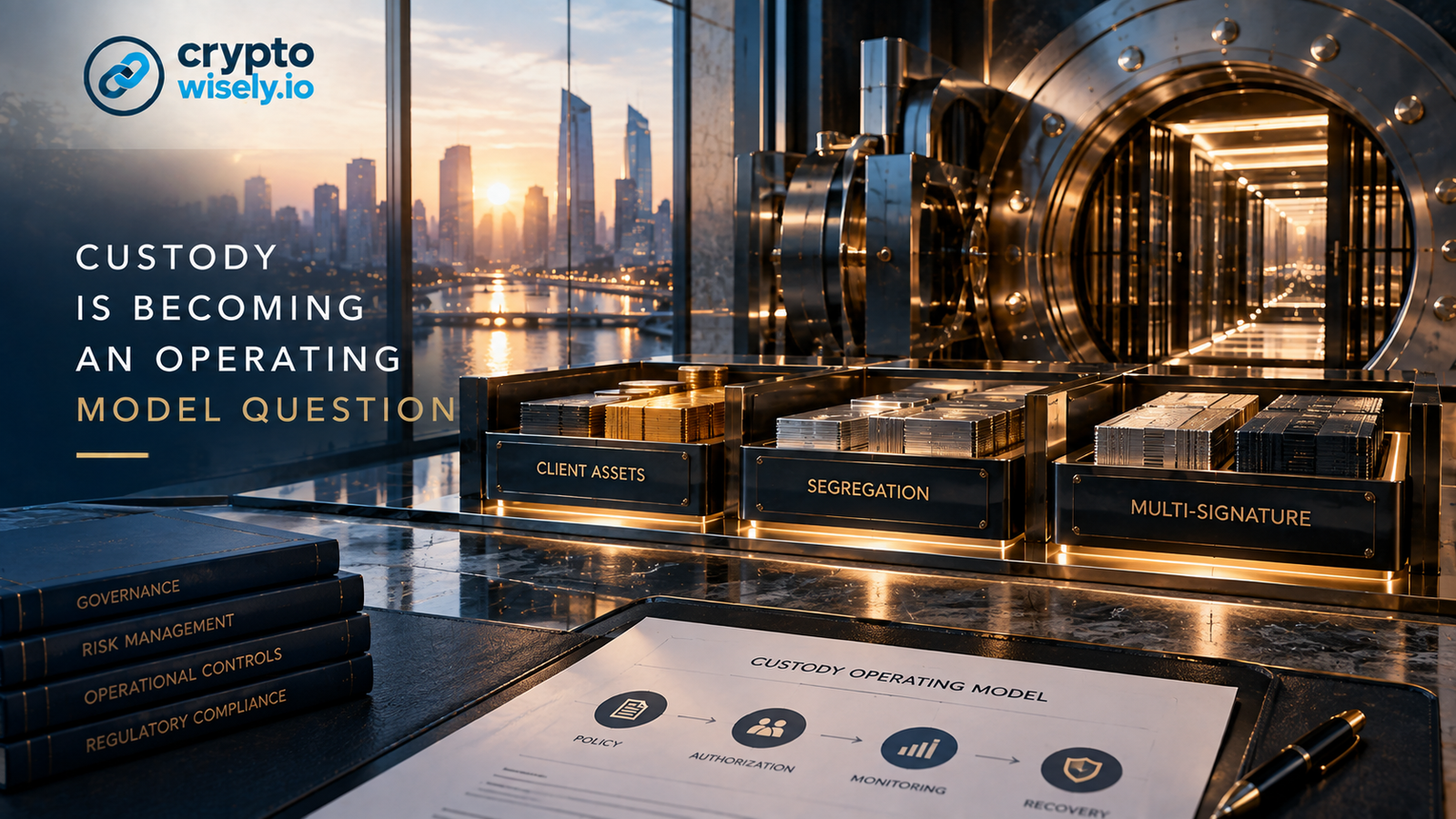
Why institutional digital asset custody is moving beyond key security toward governance, authorization, settlement and operational control.
-
Tokenization Is Not Replacing Financial Infrastructure. It Is Plugging Into It.

Institutional tokenization is gaining ground by connecting programmable assets to existing custody, collateral, settlement and banking rails.
-
Local Currency Stablecoins Are Becoming an Infrastructure Race
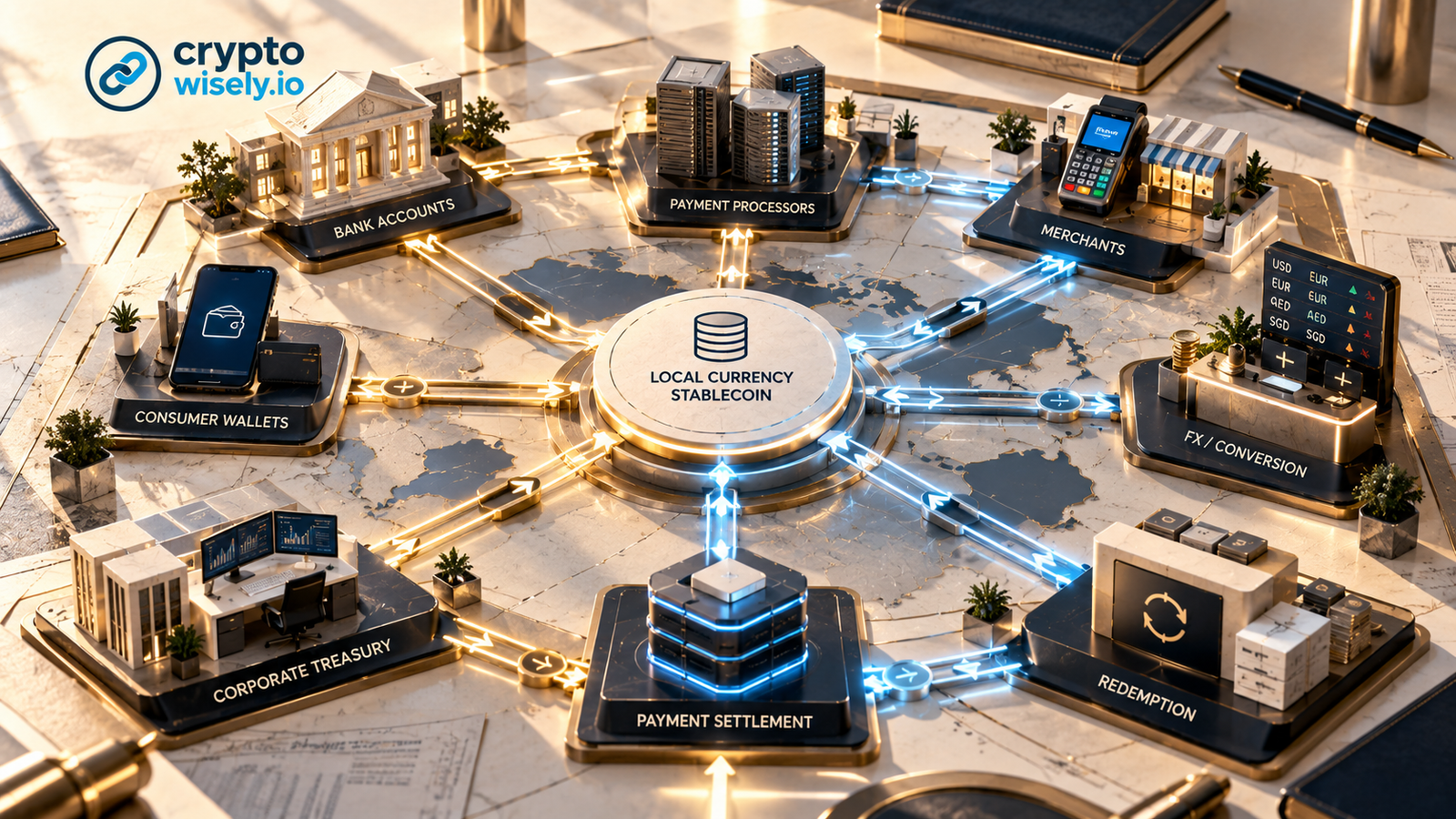
The next phase of stablecoin competition will depend less on issuance alone and more on the banking, conversion, settlement and distribution infrastructure around the asset.
-
Agentic Payments Are Forcing a Redesign of Financial Control Layers

As software agents gain the ability to initiate payments, financial control is moving upstream into mandate design, consent, credential governance, liability and auditability.
-
Why Operating Models Often Become the Missing Piece in Institutional Crypto Initiatives
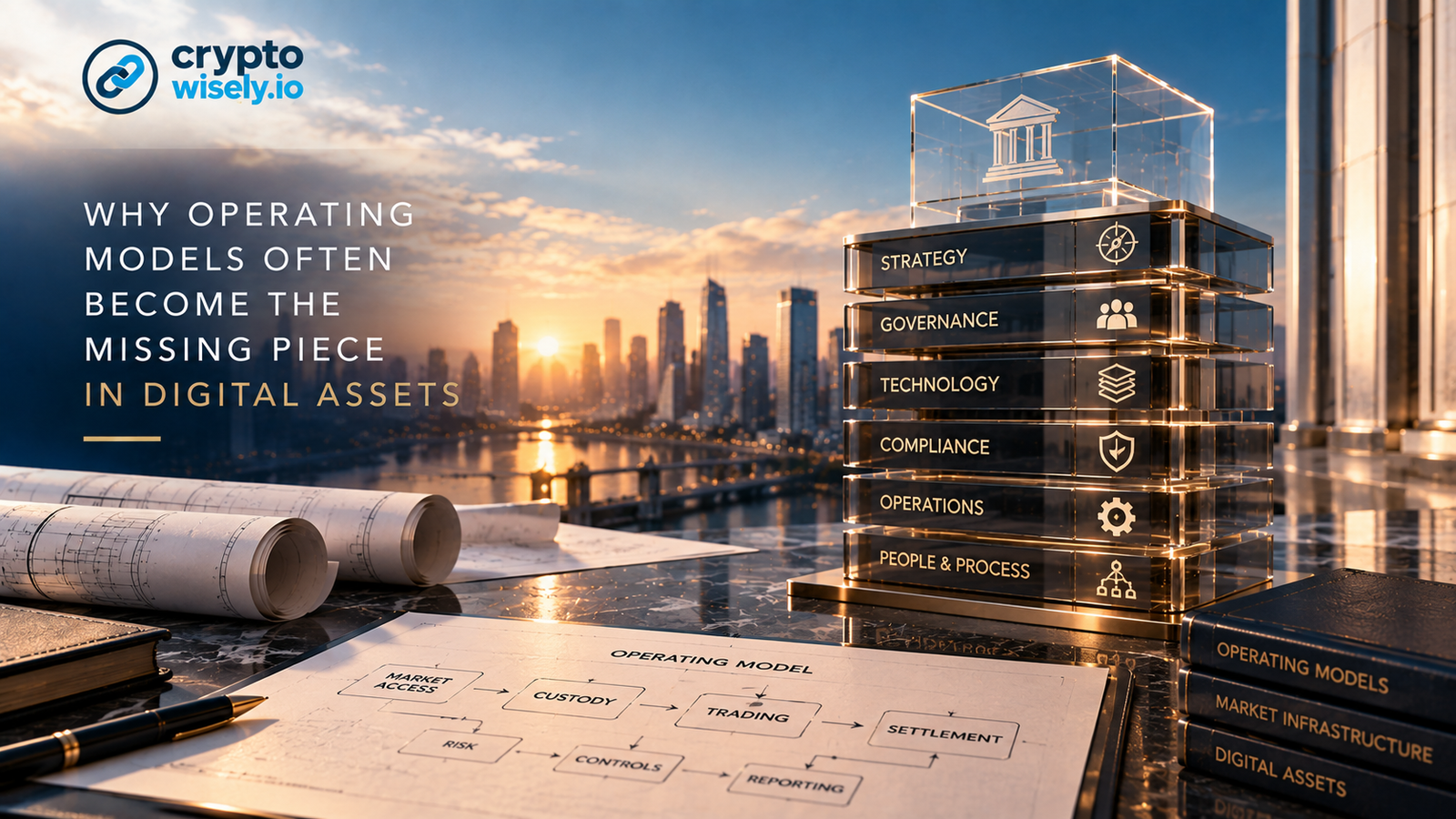
Digital asset initiatives rarely stall because the technology fails. More often, the unresolved questions sit in governance, custody, settlement, accountability and operating boundaries.
-
The Future of Bank and Exchange Infrastructure: What a Hybrid Model Looks Like

Banks and crypto exchanges are unlikely to replace one another. The more realistic end state is a shared operating model built around custody, compliance, execution, liquidity and settlement.
-
The Dual Ownership Model: Who Owns the Customer in a Layered Financial System?

As banking, digital platforms and regulated market infrastructure converge, customer ownership is giving way to a more distributed model of access, responsibility and control.